Selecting the right off-road tire for an industrial fleet requires matching tread depth, casing construction, and rubber compound to specific duty cycles. This comparison outlines four common approaches and their trade-offs for commercial off-road applications, helping procurement managers align tire choices with operational realities.
- Match tire tread depth and pattern to the specific terrain and load profile of the duty cycle.
- Casing construction, not just tread, determines service life and energy consumption.
- Operating conditions such as temperature, speed, and load variance affect tire performance more than static specifications.
- Reviewing actual fleet data before standardizing on one tire type reduces downtime and costs.
- Pilot testing on representative routes is more reliable than relying on manufacturer specifications alone.
How to Match Tread Design to the Actual Duty Cycle
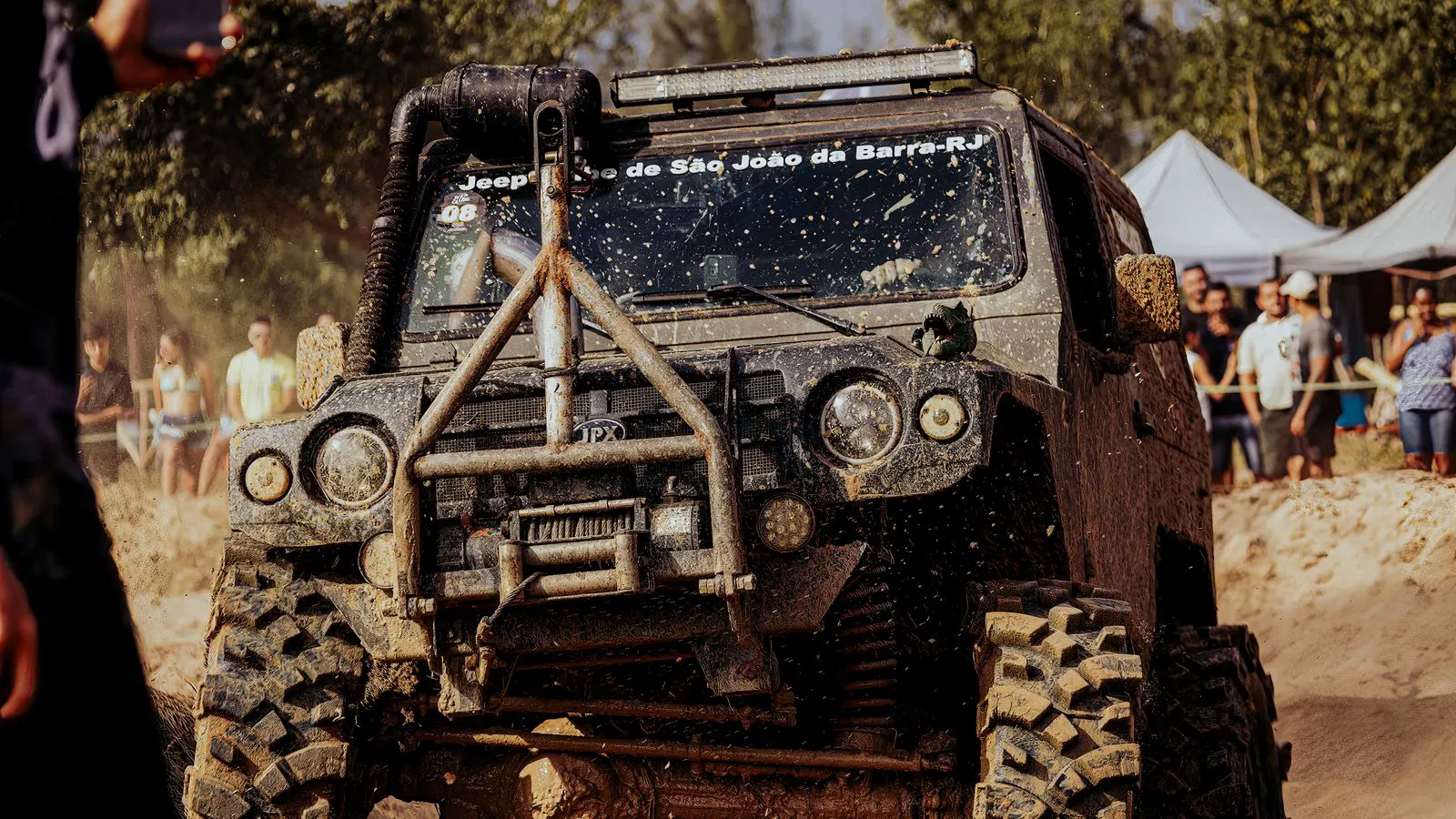
The first decision in selecting off-road tires is not the brand or the size. It is the tread. A deep, aggressive pattern that sheds mud quickly may clog on hard-packed gravel. A shallow, self-cleaning design that works on stable earth will wear out on loose, abrasive sand. Procurement managers must start with a written description of the route. Where the vehicle travels, for how many hours, under what load, and in what season.
For commercial off-road operations, the terrain is rarely static. A mine site changes with weather. A construction yard shifts from wet clay in the morning to dry rock in the afternoon. The tire must handle the transition without a change in compound or casing.
Tread depth and lug spacing are the two most visible variables. Deep lugs carry more material through the contact patch, which helps with traction in mud and soft ground. They also increase the risk of stone retention and uneven wear if the load is too light. Wider lugs with more spacing allow debris to escape, but they reduce the contact area on hard surfaces.
The shoulder design matters as much as the center. Shoulders that are too soft will roll over on sharp turns or when the vehicle is fully loaded. Stiff shoulders protect the casing but can reduce grip on loose material. The best choice depends on the steering frequency and the type of turning.
Casing Construction and Its Effect on Service Life
Tread is the part that contacts the ground. The casing is the part that determines whether the tire survives the contact. Industrial off-road tires use a range of casing structures, from standard bead-to-bead construction to reinforced sidewalls and double-ply casings.
Bead-to-bead construction uses a single continuous belt that wraps from one bead to the other. It is common in light and medium commercial off-road tires. It is cost-effective and easy to repair in many cases. However, it can be vulnerable to sidewall cuts and impact damage when the load exceeds the tire’s rated capacity.
Reinforced sidewall construction adds extra layers to the side of the tire. These tires handle stone impact and curb strikes better. They are heavier and consume more energy, but they last longer in high-impact environments. For a fleet that runs on rough roads or near rock faces, the added weight is often worth the reduced replacement frequency.
Double-ply casings are used in heavy-duty applications where the load is near or above the single-ply limit. They are stiffer and last longer under heavy loads, but they have a shorter service life when the load is light or the speed is high. The casing must match the load profile, not just the maximum load rating.
Rubber Compound and Operating Conditions
The tread and casing work together, but the rubber compound determines how they behave under temperature and speed. Soft compounds provide better grip on cold, loose surfaces but wear faster and generate more heat. Hard compounds are more durable and run cooler but can lose traction in cold or muddy conditions.
Industrial fleets often operate across a broad temperature range. A tire that performs well in summer may harden in winter and lose its ability to bite into soft ground. The compound must be chosen for the average operating temperature, not the peak.
Speed also affects compound selection. A tire running at high speed generates heat in the casing and tread. A compound that is too soft will overheat and degrade. A compound that is too hard will not flex enough to absorb vibration. For commercial off-road vehicles that spend most of their time at low speed, a softer compound is usually acceptable. For vehicles that travel between sites at highway speeds, a harder compound is necessary.
Load Variance and Tire Performance
Most industrial fleets do not run at a constant load. The vehicle may start the shift fully loaded and end it partially empty. This variance changes the tire’s operating conditions throughout the day. A tire that is optimized for full load may overheat when partially loaded because the casing flexes differently.
The contact patch changes with load. At full load, the tire squishes more, increasing the contact area but reducing the depth of the tread. At light load, the tread stands up, reducing the contact area and increasing the pressure per square inch. This can cause uneven wear and reduced traction.
Fleets that experience large load swings should choose tires with a wide speed range and a casing that tolerates flexing. A tire that is too stiff for light load and too soft for heavy load will fail early. The load profile must be documented before a tire is selected.
Pilot Testing and Fleet Data Review
Specifications are not the same as performance. A tire may meet every requirement in a catalog and still fail on a specific site. Pilot testing on representative routes is the only way to confirm that a tire will perform in the actual operating environment.
A pilot test should run for a defined period, under normal conditions, with the same load profile. The test should include a variety of surfaces and temperatures. Data to collect includes tread wear, casing inspection, fuel consumption, and vibration levels.
Fleet data review is equally important. Existing tire failure reports can reveal patterns. If a fleet has been replacing tires every few months, the problem may not be the tire. It may be the wheel alignment, the air pressure, or the load distribution. Fixing the underlying issue before changing the tire saves money and extends service life.
When to Choose Each Option
| Option | Best for | Limitations |
|---|---|---|
| Deep lug, reinforced casing | Mud, soft ground, high-impact surfaces | Higher rolling resistance, less suited to hard, stable surfaces |
| Shallow lug, standard casing | Hard-packed gravel, stable earth, moderate loads | Clogs in mud, vulnerable to sidewall cuts in high-impact areas |
| Wide lug, reinforced sidewall | Mixed terrain, frequent stone impact | Heavier, higher energy consumption, less grip in deep mud |
| Double-ply, standard tread | Heavy loads, high-load variance | Stiff, short service life at light loads, not ideal for high-speed travel |
For a fleet that operates primarily in soft, wet conditions, a deep lug with a reinforced casing is the best fit. The added weight is offset by the reduced frequency of replacements and the ability to maintain traction in difficult conditions.
For a fleet that travels on hard, stable surfaces with moderate loads, a shallow lug with a standard casing is sufficient. It is cost-effective and easy to maintain. It should not be used in mud or high-impact areas.
For a fleet that moves between soft and hard surfaces, a wide lug with a reinforced sidewall is a balanced choice. It handles stone impact and provides good traction in mixed conditions. It is not the cheapest option, but it reduces downtime.
For a fleet that runs heavy loads with significant variance, a double-ply casing is necessary. It tolerates the flexing and maintains structural integrity. It is not suitable for high-speed travel or light-load operations.
Maintenance and Inspection Practices
The best tire will fail if it is not maintained correctly. Air pressure is the first factor. Low pressure causes the sidewall to flex excessively and generate heat. High pressure reduces the contact patch and increases the risk of impact damage. The pressure must be checked regularly, not just at the start of the shift.
Tread wear should be measured at regular intervals. Uneven wear indicates alignment issues, load imbalance, or improper pressure. A tire that wears on one shoulder is often the result of a wheel that is out of alignment.
Sidewall inspection is critical for commercial off-road tires. Cuts, bulges, and exposed cords are early signs of casing failure. A small cut today can become a blowout tomorrow. Inspection should be part of the daily vehicle check, not a quarterly task.
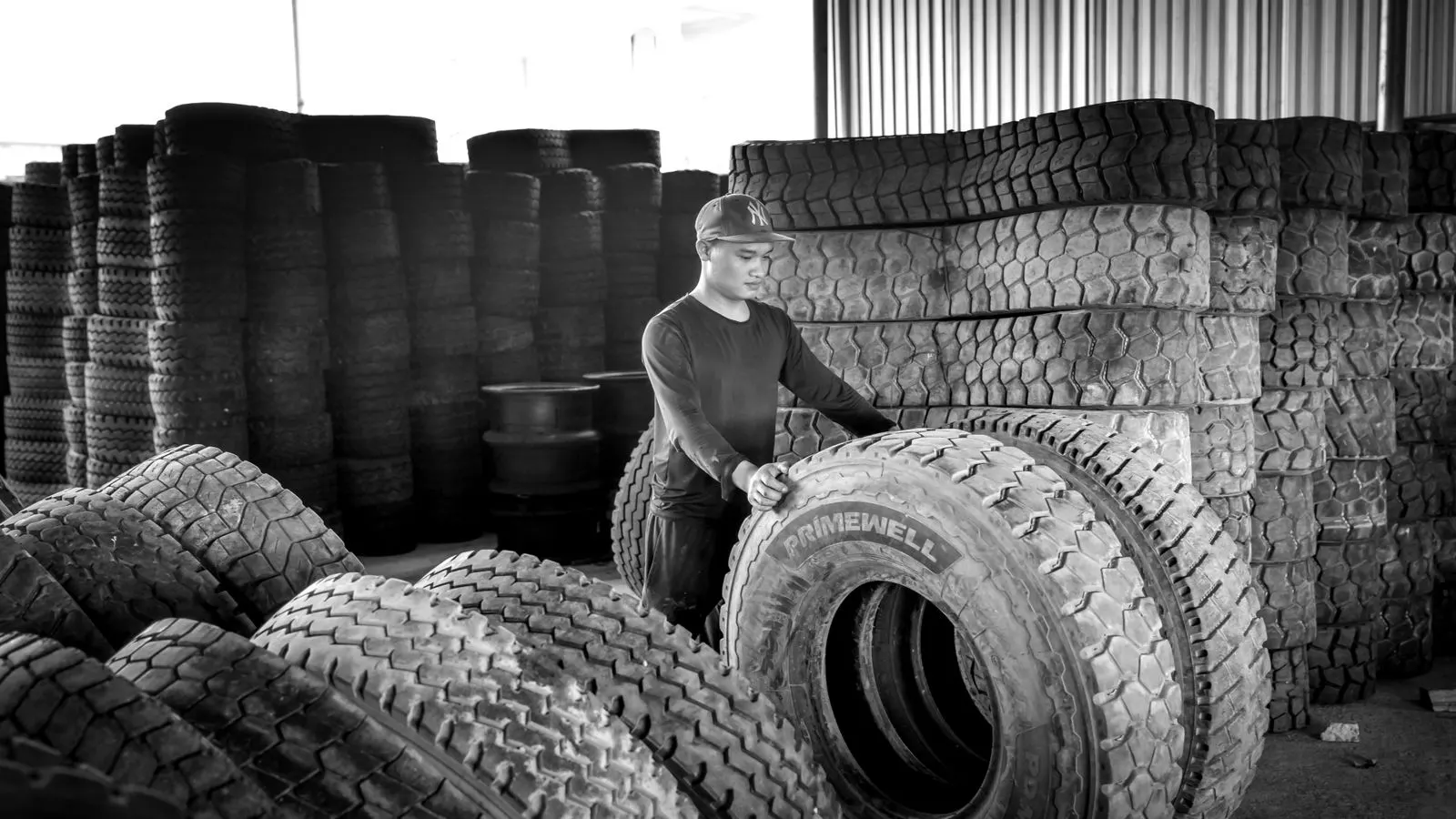
Proper storage and handling also affect service life. A tire that is stored under load will deform. A tire that is stored in direct sunlight will degrade. Fleets should store tires in a cool, dry place and avoid stacking them under heavy objects.
Conclusion of the Comparison
The choice of off-road tire for an industrial fleet is not a single decision. It is a series of choices that must align with the duty cycle. The tread must match the terrain. The casing must match the load and impact profile. The compound must match the temperature and speed. The maintenance practices must support the tire’s design.
A fleet that selects a tire based on price alone will face higher replacement costs and more downtime. A fleet that selects a tire based on specifications alone may still face performance issues. The best approach is to document the operating environment, pilot test a candidate tire, and review the data before standardizing on a choice.
The table above summarizes the four common approaches. Each has its place. The question is not which tire is best in the abstract. The question is which tire is best for the specific fleet, the specific route, and the specific load profile. The answer will be found in the data, not in the brochure.
Frequently asked questions
What is the most important factor when selecting off-road tires for an industrial fleet?
The duty cycle. The tread, casing, and compound must all match the specific terrain, load, temperature, and speed of the operation.
How often should off-road tires be inspected?
Sidewalls and tread should be checked as part of the daily vehicle inspection. A full tread depth measurement should be done at regular intervals, such as every shift or every week, depending on the wear rate.
Can a single tire type be used for all conditions in a mixed-terrain fleet?
In most cases, no. A tire that performs well in mud may wear quickly on hard surfaces. Fleets with mixed conditions should consider a small range of tire types or accept a compromise in performance.
How does load variance affect tire life?
It changes the contact patch and the flexing of the casing. A tire that is optimized for one load range may overheat or wear unevenly when the load changes significantly.
What is the best way to confirm that a tire will work on a specific site?
Pilot testing. Run the tire on representative routes under normal conditions for a defined period and collect data on wear, casing integrity, and fuel use before making a fleet-wide decision.