
Off-the-Road Tires
Buyers Guide: Selecting Off-Road Tires for Heavy Machinery
Select off-road tires by matching casing, tread, and compound to specific operating loads, terrain, and duty cycles. A structured framework helps engineers avoid
Specifications, supplier checks, and sourcing guides for tire buyers

This site covers the technical and commercial decisions behind tire and wheel procurement. It breaks down specifications, material choices, quality controls, and lead times for passenger, truck, bus, and off-the-road segments. You will find clear comparisons of wheel construction, rim types, and the documents required for compliant sourcing.
The content targets professional buyers, engineers, and fleet managers who need to evaluate suppliers and manage the supply chain. Each section addresses a specific stage of the buying process, from defining technical requirements to verifying compliance and handling logistics. The goal is to support informed decisions with facts and practical checks.
Start with the stage of the sourcing process you are in.
Find practical guides on passenger tire specs, load ratings, seasonal use, and replacement planning for fleet and retail buyers.
Get vendor-neutral information on truck and bus tire types, inflation systems, casing life, and fleet maintenance requirements.
Explore off-road tire options, tread patterns, tubeless setups, and load conditions for commercial and industrial users.
See clear explanations of wheel materials, bolt patterns, rim tolerances, and fitment checks for tires and wheels buyers.
Learn how to read tire labels and understand common industry standards for safety, performance, and compliance.
Understand common pricing factors, shipping options, lead times, and cost-saving strategies for tire and wheel procurement.
Use practical criteria to evaluate tire and wheel suppliers, including reliability, support, documentation, and supply continuity.
Select off-road tires by matching casing, tread, and compound to specific operating loads, terrain, and duty cycles. A structured framework helps engineers avoid
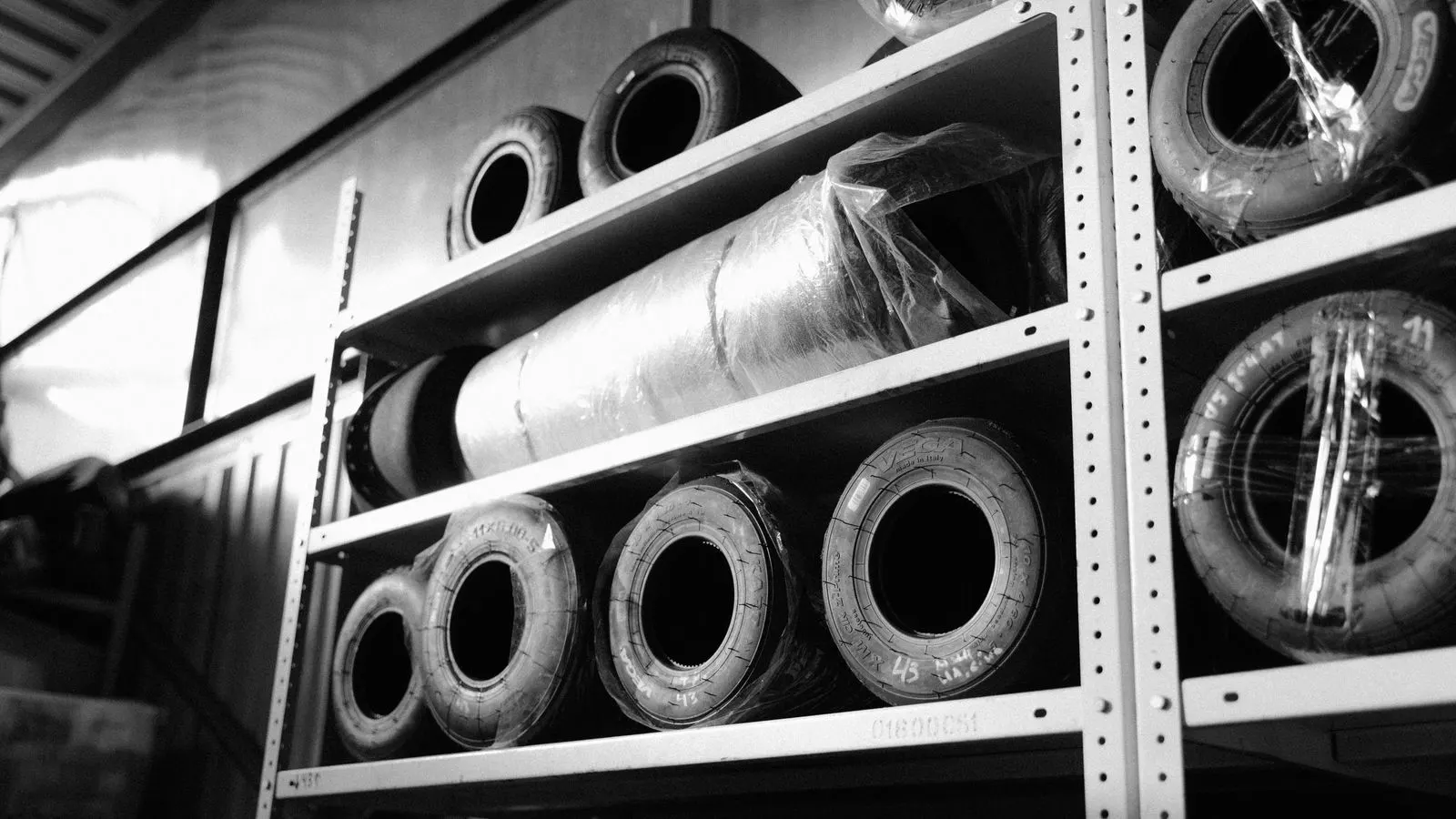
Importers must plan for updated tire labeling outlook requirements in 2026. Shifts in import compliance and labeling regulations demand earlier supplier audits, clearer
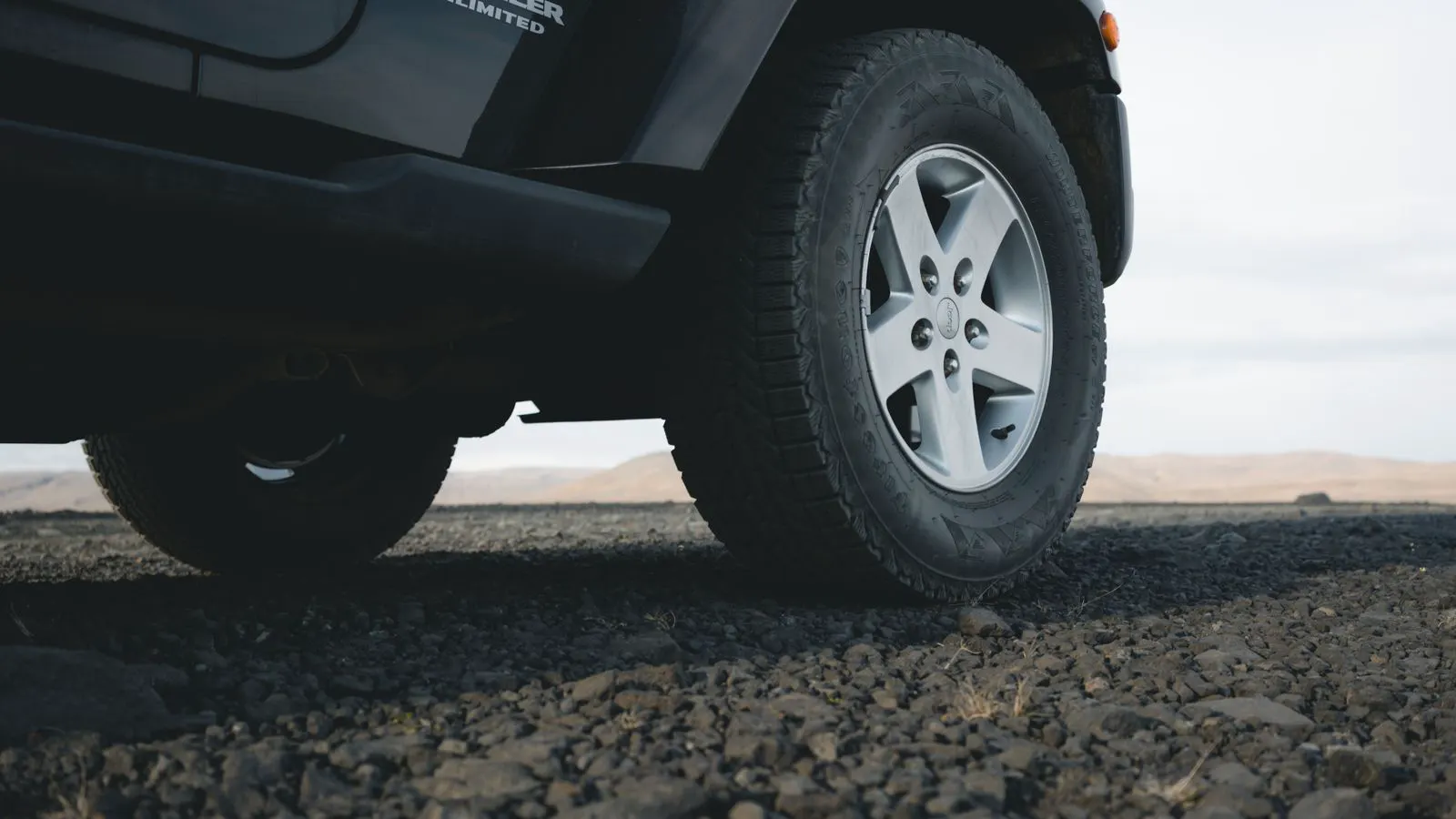
Selecting the right off-road tire for an industrial fleet requires matching tread depth, casing construction, and rubber compound to specific duty cycles. This

Accurate bolt pattern verification ensures a wheel physically aligns with a vehicle hub. By measuring the bolt circle diameter and counting holes, buyers prevent fitment
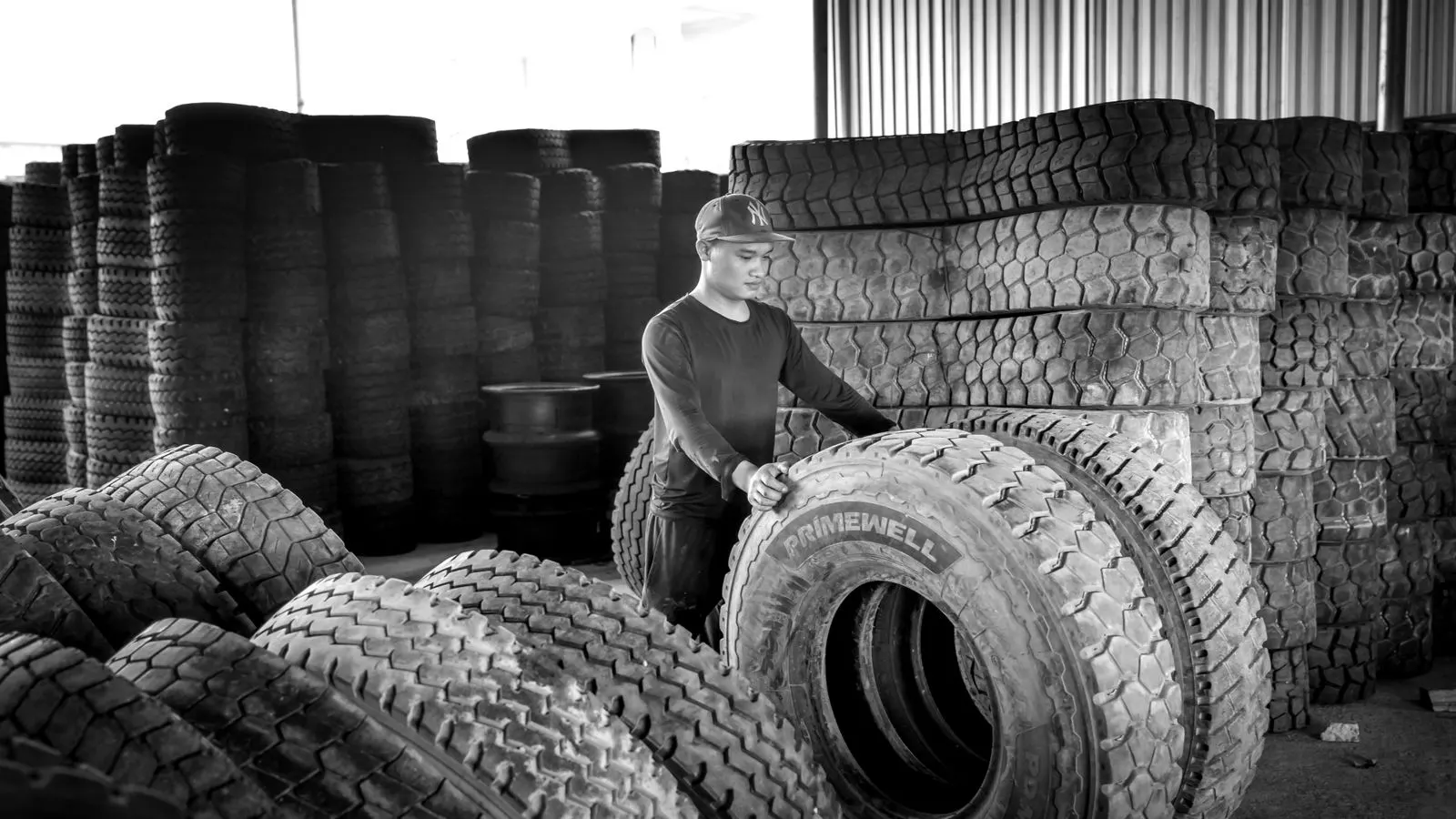
Light duty tires have lower unit costs but higher replacement frequency, while heavy duty tires cost more upfront but reduce total operating expenses through durability.
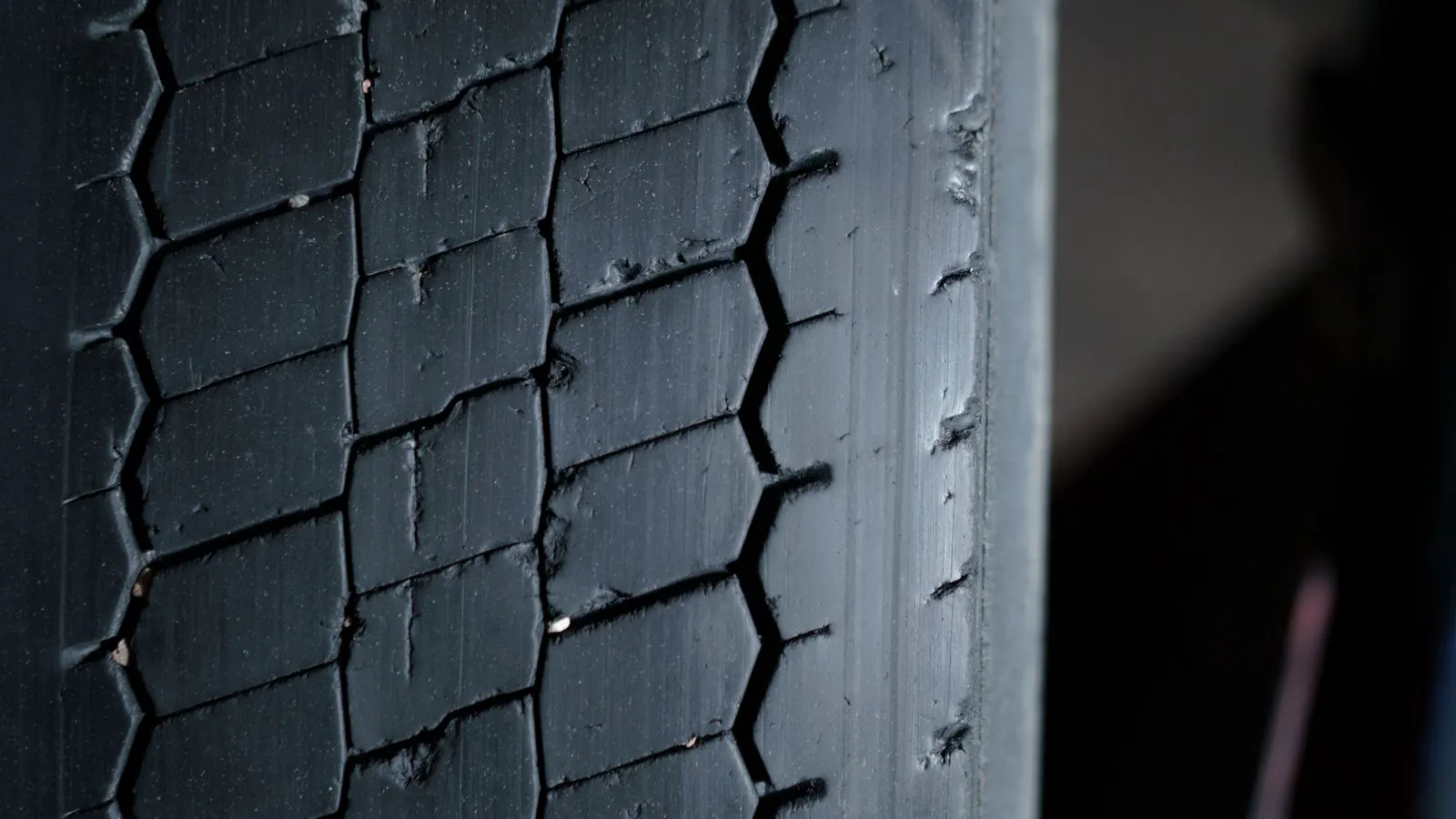
Truck tire casing life depends on casing quality, load management, and inspection discipline. Maximizing it requires regular casing checks, proper tread replacement, and
Choose OEM tires for strict warranty, traceability, and direct factory support. Select aftermarket options for lower cost, broader inventory, and flexible sourcing. The
The load index on a passenger tire sidewall indicates maximum weight capacity. Buyers must match this rating to vehicle payload, axle load, and duty cycle. This guide
Truck tires generally feature higher load ratings, reinforced sidewalls, and different tread compounds designed for heavy loads and long distances. Passenger tires prioritize comfort, handling, and fuel efficiency, with lower load limits and different tread patterns.
Review the supplier's quality management system, request test reports for specific samples, and verify their ability to provide consistent production batches. Check their track record with similar clients and their response to technical issues.
Standards and labels define the legal and technical requirements for tire performance, safety, and durability. Buyers must ensure the tires they source meet the specific regulations of their target markets to avoid compliance issues and recalls.
Lead times and logistics determine the cost and reliability of the supply chain. Buyers must consider production capacity, shipping routes, and storage conditions to minimize delays and damage to the product.
Material choice affects weight, strength, cost, and manufacturing method. Aluminum wheels are lighter and offer better heat dissipation, while steel wheels are more durable and cost-effective. The decision depends on the specific application and performance requirements.
Diversify suppliers to reduce dependence on a single source. Maintain safety stock for critical components and establish clear communication channels for managing disruptions. Regularly review the supply chain for potential vulnerabilities and develop contingency plans.